

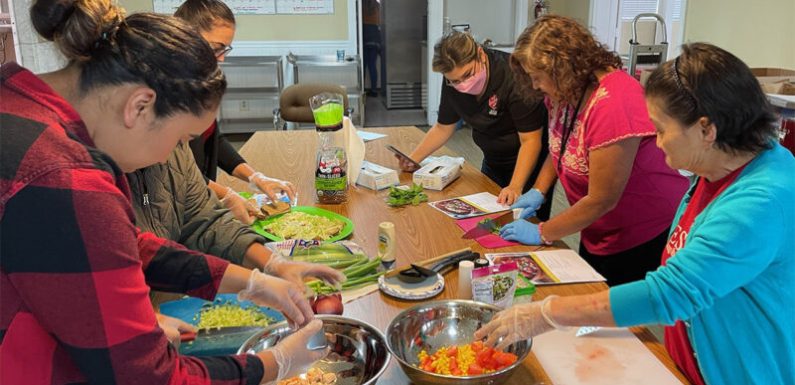
Most people know what they “should” eat: more whole foods, fewer ultra-processed snacks, enough protein, plenty of vegetables. The real challenge isn’t knowledge—it’s environment. Your habits are shaped by the people you eat with, the food in your kitchen, the routines you follow, and even the content you save on your phone.
Think of your health journey as more than just “me vs. cravings.” It’s you plus your tribe: the friends, family, coworkers, and online communities that influence your choices every day. When that tribe supports your goals, staying on track becomes much easier.
Why We Eat Like the People Around Us
Eating is deeply social. Studies show we unconsciously copy the behavior of people at our table or in our social feed:
- If everyone orders fries, it suddenly feels normal to do the same.
- If your close friends are into cooking and meal prep, you naturally try more home-cooked meals.
- If your family sees dessert as “mandatory,” it’s harder to say no, even when you’re full.
Instead of fighting this social pressure, you can use it in your favor. The key idea: build a “nutrition tribe” whose default habits match the way you want to eat—balanced, flexible, and sustainable.
What a Healthy Nutrition Tribe Looks Like
A supportive food culture doesn’t mean everyone is perfect or obsessed with dieting. It feels more like this:
- Shared values, not strict rules. People care about energy, longevity, and feeling good, not just hitting a number on the scale.
- Curiosity about food. Your tribe enjoys trying healthier recipes, experimenting with spices, or upgrading favorite comfort foods instead of cutting everything out.
- No food shaming. There’s room for pizza nights and birthday cake. One meal doesn’t define anyone’s health identity.
- Respect for individual needs. Some might be vegetarian, some low-carb, some focused on blood-sugar control. The goal is mutual support, not forcing one style on everyone.
You can’t control every person in your life, but you can gently choose who you spend more time eating and talking food with—and who you follow online.
Designing a Kitchen That Matches Your Goals
Your kitchen is the physical “headquarters” of your nutrition tribe, even if you live alone. A few small shifts can change daily decisions without needing constant willpower:
- Make healthy options the default. Put washed fruit, chopped veggies, and ready-to-grab protein (like eggs, yogurt, tofu, or beans) at eye level.
- Hide the “sometimes” foods. You don’t have to ban chips or sweets, but keep them off the counter and out of immediate reach.
- Batch-prep basics. Cooking grains, roasting vegetables, or preparing a protein in bulk gives your future self easy building blocks for quick meals.
- Use simple visual cues. A fruit bowl on the table, bottles of water or herbal tea visible in the fridge, and a written meal idea list on the door all nudge better choices.
When you invite friends or family into this environment—physically or virtually—you’re quietly inviting them into your healthier tribe culture too.
Routines That Keep You Fueled, Not Frustrated
Trying to overhaul everything in one week usually backfires. A “vibe tribe” approach to nutrition is less about strict plans and more about steady patterns:
- Anchor meals to existing habits. For example, always having a protein-rich breakfast after your morning coffee, or a vegetable-based snack before dinner.
- Create theme days. “Stir-fry Monday,” “Soup Wednesday,” “Fish Friday” reduce decision fatigue while keeping things flexible.
- Plan for real life, not fantasy. If you know some nights will be late or stressful, schedule easy, low-effort meals instead of complicated recipes you’ll skip.
Your routines should feel like support, not punishment. The test: If you imagine doing this for six months, does it seem realistic? If not, simplify.
Organizing Your Recipes, Plans, and Nutrition Guides
Over time, you’ll collect meal plans, grocery lists, nutrition guides, and recipes from dietitians, fitness coaches, or favorite blogs. Most of these are in PDF form—great for sharing, but easy to lose track of.
A simple system might look like:
- One main folder on your phone or computer called Nutrition_Resources.
- Subfolders like Meal_Plans, Recipes, Grocery_Lists, and Education.
- Clear file names such as High_Protein_Breakfasts.pdf or 7_Day_Mediterranean_Plan.pdf.
As your collection grows, a tool like pdfmigo.com can help you keep it tidy:
- Use Merge PDF to combine your favorite recipes, grocery lists, and a weekly menu into a single “Nutrition Playbook” you can quickly open at the store or in the kitchen.
- When you only need a specific part—like just the snack ideas or a single meal plan—you can Split PDF to pull out the pages you actually use and share them with friends or family who want to join your healthier habits.
Instead of dozens of scattered files, you end up with a small set of well-organized documents that support your daily choices.
Bringing Others Into Your Nutrition Journey
You don’t need a huge community to feel supported. Even a few people can form your core tribe:
- Invite a friend to share a weekly meal plan and swap photos of what you actually cooked.
- Share your “Nutrition Playbook” PDF with a partner or roommate so shopping and cooking are aligned with your goals.
- In group chats, suggest one or two healthier restaurant options or menu choices without lecturing anyone.
- Celebrate small wins together—more home-cooked meals this month, more veggies than last week, or simply fewer skipped breakfasts.
When food becomes a shared project rather than a private struggle, consistency feels much more natural.
Make Your Food Culture Match Your Future Self
Ask yourself: if someone watched your eating habits for a month, what kind of “food culture” would they see? Rushed, random, and based on cravings—or intentional, flexible, and supportive of long-term health?
By shaping your tribe, your environment, your routines, and even how you organize your PDFs and resources, you gradually build a culture that matches the future you want: more energy, better health markers, and a calmer relationship with food.
You don’t have to be perfect to get there. You just need a tribe, a system, and small steps you can repeat—meal after meal, week after week.
