

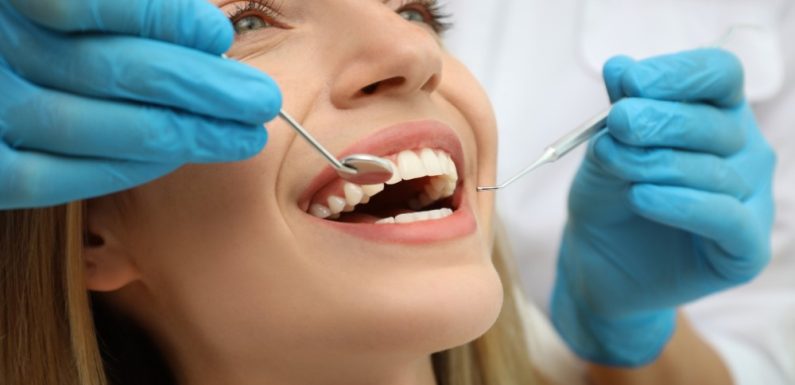
Oral health problems often develop gradually, and many people ignore early warning signs until the condition worsens. Recognizing when to seek a professional dental evaluation is essential for preventing complications and maintaining a healthy smile. While regular check-ups are important, certain symptoms should never be overlooked-especially when it’s time to visit a dental clinic near me for timely care.
Persistent Tooth Pain
Mild sensitivity is usually harmless, but persistent or severe tooth pain often signals an underlying problem. It may result from decay, infection, or a cracked tooth. If the pain lasts several days or worsens, a dental evaluation is needed to determine and treat the cause.
Bleeding or Swollen Gums
Healthy gums should not bleed during brushing or flossing. If you notice frequent bleeding, redness, or swelling, it may indicate gum disease. Early-stage gum disease, known as gingivitis, can progress into more serious conditions if left untreated. A dentist can assess the severity and recommend appropriate care.
Sensitivity to Hot and Cold
Increased sensitivity to hot or cold foods and beverages can be a sign of enamel erosion, cavities, or exposed tooth roots. If this sensitivity becomes persistent or painful, it is important to consult a dentist. Ignoring this symptom may lead to further damage and discomfort.
Bad Breath That Does Not Go Away
Occasional bad breath is normal, especially after certain foods. However, chronic bad breath, also called halitosis, may point to underlying dental problems such as gum disease, tooth decay, or oral infections. A professional evaluation can help determine the exact cause and provide effective solutions.
Loose or Shifting Teeth
Adult teeth should remain stable and firmly in place. If you notice any movement, spacing changes, or shifting in your teeth, it could be a sign of bone loss or advanced gum disease. Immediate dental attention is crucial to prevent tooth loss and preserve oral health.
Sores or Unusual Changes in the Mouth
Mouth sores, lumps, or patches that do not heal within a couple of weeks should be examined by a dentist. These changes may be harmless, but they can also indicate infections or, in rare cases, oral cancer. Early detection significantly improves treatment outcomes.
Difficulty Chewing or Jaw Pain
Pain or discomfort while chewing, along with jaw stiffness or clicking sounds, may suggest issues with the jaw joint or alignment. A dentist can evaluate these symptoms and recommend treatment to prevent further complications.
Common Warning Signs at a Glance
Be alert to these symptoms that may require dental attention:
Paying attention to early warning signs can make a significant difference in maintaining oral health. Delaying treatment often leads to more complex and costly procedures. Seeking a professional dental evaluation at the right time ensures that problems are diagnosed early and managed effectively. Regular dental visits, combined with awareness of these signs, help protect your teeth and gums for the long term.
