

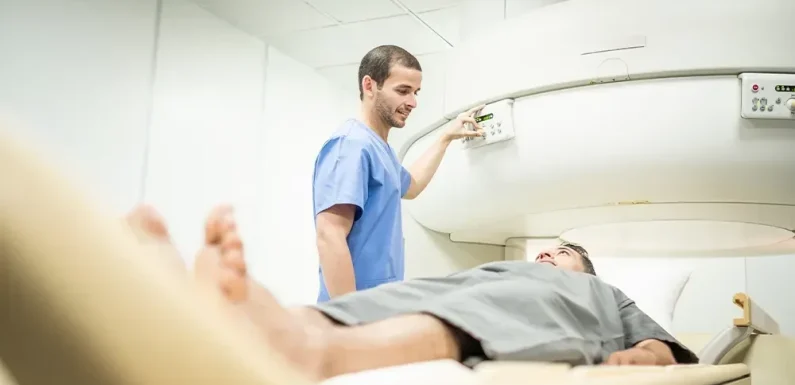
Compassion is a clinical necessity in medical imaging, especially when it comes to MRIs. It drastically alters both the patient’s experience and the actual quality of the medical data collected. When a technologist takes two minutes to talk a patient down, explain the loud knocking sounds, or offer a warm blanket, it lowers the patient’s heart rate and helps them relax. As pointed out by Kasey McKillip, lower anxiety means less moving, which directly results in sharp, highly diagnostic images.
Kasey McKillip provides insight into why compassion matters in medical imaging
MRI differs significantly from many other diagnostic imaging procedures because of the unique physical and emotional demands it places on patients. Unlike an X-ray, which can often be completed in seconds, or an ultrasound, where communication between the patient and technologist remains relatively easy throughout the procedure, MRI requires individuals to remain motionless inside a confined space for an extended period of time. Most MRI examinations last anywhere between 30 and 60 minutes, depending on the complexity of the study being performed.
The environment itself can be overwhelming. MRI scanners generate extremely loud and unpredictable sounds, including repetitive banging, knocking, clicking, and humming noises that may exceed 100 decibels during certain imaging sequences. Patients are placed inside a narrow cylindrical bore, which can trigger feelings of claustrophobia or panic, particularly among individuals who already experience anxiety in confined spaces. In addition to the physical discomfort, many patients enter the MRI suite carrying emotional stress connected to the possibility of receiving serious medical news. Compassionate care does not eliminate the seriousness of these situations, but it significantly changes the way patients experience them. MRI technologists who demonstrate empathy and understanding can help patients feel safer, calmer, and more supported throughout the procedure. Compassion in MRI is not abstract or theoretical. It is demonstrated through practical, consistent behaviors that improve both the patient experience and the overall effectiveness of the imaging process.
For example, compassionate care begins during the patient screening and intake process. Rather than rushing through forms and safety questions, experienced technologists take time to communicate clearly and observe the patient’s emotional state. If a patient appears nervous, confused, or hesitant, compassionate technologists adjust their communication style accordingly. They explain the procedure in simple, reassuring language and allow patients the opportunity to ask questions before the scan begins. This extra attention helps establish trust and reduces uncertainty.
According to Kasey McKillip, compassion is also reflected in preparation before the scan itself. Patients who are unfamiliar with MRI equipment are often startled by the loud noises produced during imaging. Technologists who take a few moments to explain these sounds beforehand can reduce fear significantly. Informing patients that the noises are normal and expected prevents unnecessary alarm once the scan starts. Similarly, technologists who maintain communication through the intercom system during the procedure provide reassurance that the patient is not alone inside the machine. Brief check-ins between imaging sequences can remind patients that someone is actively monitoring their comfort and safety.
