

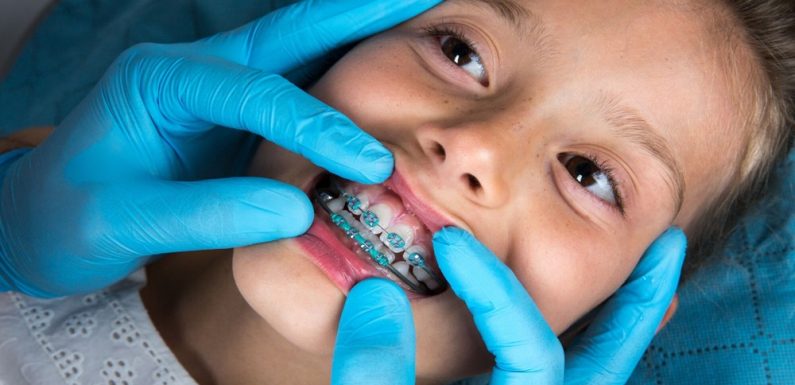
It often begins so subtly that you barely notice at first, a slight overlap here, a small gap there that does not quite close. Then, almost suddenly, you find yourself wondering: Is this just part of growing up, or does my child actually need braces?
The truth is, most children do not develop perfectly straight teeth, and a little unevenness is completely normal. Still, not every change should be brushed off. Some early signs can point to bigger alignment issues later. Paying attention at the right time can make treatment much simpler, less stressful, and far more effective in the long run.
If you are feeling unsure, visiting a pediatric dentist in La Mesa like Dr. Surillo’s Pediatrci Dentistry & Orthodontics can really help you a lot. They take a closer look at how your child’s teeth and jaw are developing, not just how things look on the surface. Sometimes, what seems minor now can turn into a bigger concern if left unchecked. A quick consultation often brings clarity (and relief, honestly.
Common Signs to Watch For
Here are a few things that might indicate your child could benefit from braces:
- Crowded or overlapping teeth – When teeth do not have enough space, they start shifting into each other. It can look a bit uneven, and makes cleaning harder too.
- Noticeable gaps between teeth – Small gaps are normal during certain stages, but larger or persistent spaces might signal alignment issues.
- Crooked or rotated teeth – Teeth that twist or grow at odd angles do not usually fix themselves over a period of time.
Bite and Function Issues
Sometimes, the problem is not just how teeth look, but how they work.
- Difficulty biting or chewing food – If your child avoids certain foods or says something feels “off,” it could be a bite problem.
- Teeth not meeting properly – Upper and lower teeth should align comfortably. If they do not, it may point to an overbite, underbite, or crossbite.
- Jaw shifting or clicking sounds – This can be subtle, but it is worth paying attention to.
Habits That Affect Teeth
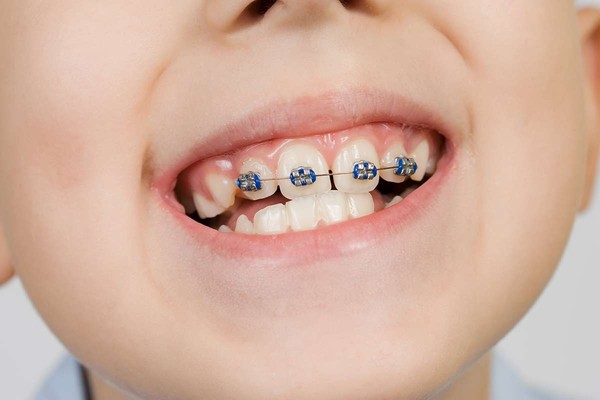
A few everyday habits can quietly influence dental development:
- Thumb sucking beyond early childhood – This can gradually push teeth out of alignment.
- Mouth breathing – It may seem harmless, but over time, it can affect jaw growth and positioning.
Timing Matters More Than You Think
- Early loss of baby teeth – Losing teeth too soon can leave extra space and cause nearby teeth to shift.
- Delayed loss of baby teeth – This can block permanent teeth from coming in correctly.
Final Thoughts
Not every child who shows these signs will need braces right away. Sometimes, things adjust naturally. Other times, they do not. And that is where a professional opinion really makes a difference.
It is absolutely ok to feel unsure. Most parents do. But if you notice a few of these signs, it might be worth getting things checked sooner rather than later. A simple visit can save a lot of guesswork and possibly more complicated treatment down the road.
