

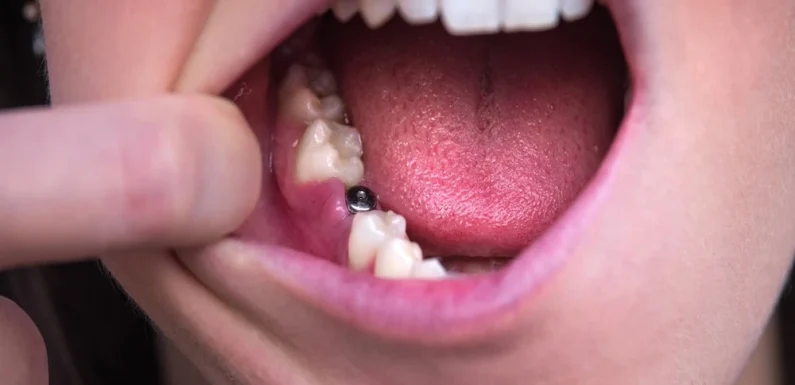
You may have done the hard part already. You replaced a missing tooth with dental implants in Billerica, MA, committed to treatment, showed up for healing visits, and expected things to feel stable. Then your bite feels off, one side seems to hit first, your jaw gets tired, or a natural tooth near an implant starts to feel sore. That kind of worry is real. When the bite is not balanced, pressure does not spread the way it should, and both implants and natural teeth can pay for it.
The short version is simple. Good bite distribution protects bone, teeth, restorations, and jaw comfort. Poor force distribution can overload an implant, strain a natural tooth, loosen a crown, wear enamel, and feed clenching habits that make everything worse. A skilled periodontist and implant dentist looks beyond whether an implant simply “integrated” and checks how your teeth meet every time you chew, swallow, and grind at night.
Uneven bite forces can damage implants and natural teeth
Natural teeth and dental implants do not handle pressure the same way. A natural tooth has a periodontal ligament, which gives it a small amount of movement and shock absorption. An implant is anchored directly to bone, so it has far less give. That difference matters every time you bite into a sandwich, chew on one side, or clench in your sleep.
If an implant crown takes too much force too soon, the stress can shift to the surrounding bone and the prosthetic parts. You might not notice a dramatic problem at first. It can start as a small click, a feeling that one tooth is “high,” or a chipped edge you brush off as bad luck. Over time, repeated overload may contribute to screw loosening, ceramic fracture, bone loss around the implant, or discomfort in the muscles and jaw joints.
Natural teeth are not immune either. When one area carries more force than it should, teeth can wear down, crack, drift, or become mobile. The body often tries to adapt, but that adaptation is not always kind. You chew on the easier side, the other side gets less stimulation, muscles tighten, and the bite can become even less stable.
Research on occlusal overload and implant biomechanics continues to show how force concentration affects implant health. Evidence also supports careful occlusal design, especially in patients with parafunctional habits like clenching and grinding.
Bite balance supports long term implant stability
Bite distribution for dental implants is not about making every tooth touch with identical force at every moment. It is about creating a bite that is stable, controlled, and appropriate for your mouth. The number and position of implants, the condition of nearby teeth, the shape of the crown, your bone support, and your habits all change the plan.
That is why two people with the same implant in the same spot may need very different adjustments. One patient has heavy nighttime grinding and flattened teeth. Another has a light bite but missing back teeth, so the front teeth and one implant are doing too much work. The solution is not one-size-fits-all. It may involve reshaping bite contacts, changing crown contours, replacing worn restorations, treating gum inflammation, or using a night guard to reduce overload.
A recent review on occlusion around implants describes the same theme clinicians see every day. The implant itself can be strong, but long term success depends on how force is directed and shared across the bite.
Occlusal force management protects bone, restorations, and comfort
Occlusal force management matters because problems rarely stay isolated. A heavy contact on one implant crown can lead to a loose screw. A loose screw changes the way the crown sits. That changes your bite again. Then the opposite side works harder, muscles tense up, and your natural teeth start wearing faster. What began as a small imbalance becomes a chain reaction.
This is one reason regular maintenance visits matter after implant treatment. The bite you had right after placement is not always the bite you have a year later. Teeth shift. Restorations settle. Habits change. Gum inflammation can also change how you close. According to research on occlusion and implant complications, biomechanical stress is closely tied to technical and biological outcomes, especially when other risk factors are present.
| Condition | Balanced Bite Distribution | Uneven Bite Distribution |
|---|---|---|
| Implant crown | Force spreads more evenly, lower risk of overload | Higher risk of chipping, screw loosening, or component stress |
| Surrounding bone | More favorable load transfer | Greater risk of bone strain and crestal bone loss |
| Natural teeth | Lower wear and less mobility stress | More wear, cracks, drifting, or soreness |
| Jaw muscles and joints | More stable function and comfort | More fatigue, clenching, and tension |
| Long term maintenance | Fewer emergency repairs | More adjustments and repair visits |
Protecting dental implants starts with small, specific steps
Track the signs your bite is off. Pay attention to what your mouth is telling you. Morning jaw soreness, one tooth hitting first, food trapping around a crown, new chipping, headaches, or a sense that you are chewing around one side all matter. None of these signs prove a major problem, but they do justify an exam before a small issue grows.
Get a bite analysis from a periodontist and implant dentist. A routine cleaning visit may spot wear, but implant bite problems often need a closer look. That includes checking contact points in still and sliding movements, evaluating implant restorations, reviewing bone support, and looking for signs of grinding. Implant bite adjustment is often subtle, but subtle changes can protect both the implant and the teeth around it.
Use protection if you clench or grind. Many people do this without realizing it, especially during sleep or stress. If your teeth show flattening, fractures, or gum recession, your bite may be under more pressure than you think. A well-made night guard, paired with proper bite correction, can reduce repeated overload and help preserve your restorations.
Your mouth works as a system. Implants, teeth, bone, muscles, and joints all respond to force together. When bite pressure is shared well, treatment lasts longer and feels better. When it is not, the damage is often slow, expensive, and frustrating. If your bite feels uneven or your implant does not feel quite right, schedule an evaluation with a periodontist and implant dentist and get the pressure checked before it turns into repair work.
