

The lymphatic system plays an important role in maintaining fluid balance and supporting the body’s immune functions. Because lymph moves through a network of vessels and lymph nodes, therapies designed to support lymphatic circulation have become part of some complementary wellness and rehabilitation programmes.
Electro lymphatic treatment is one approach that uses a specialised device and gentle techniques applied to the body. The exact procedure can differ depending on the provider, equipment, and individual’s goals. Understanding what generally happens during a session can help people know what to expect before trying it.
Before the Session Begins
An electro lymphatic therapy session typically starts with a consultation. The practitioner may ask about the individual’s general health, current concerns, previous procedures, medications, and wellness goals.
This initial discussion gives the practitioner an opportunity to determine whether the session is appropriate and whether certain areas should be avoided. People with known medical conditions should provide complete and accurate health information so appropriate precautions can be considered.
The practitioner may also explain the equipment, expected sensations, and general sequence of the session. This is a useful time to ask questions about how the procedure will be performed and what the individual should expect afterward.
Getting Ready for Treatment
Before electro lymphatic therapy begins, the individual is generally positioned comfortably on a treatment table or chair. Depending on the area being addressed, the practitioner may ask the person to expose specific parts of the body while maintaining appropriate privacy.
The skin may be checked before the procedure. The practitioner can then identify the areas where the device or applicators will be used.
Comfort is important throughout the session. Individuals should communicate if they experience discomfort, excessive heat, unusual sensations, or anything that causes concern.
How the Therapy Is Applied
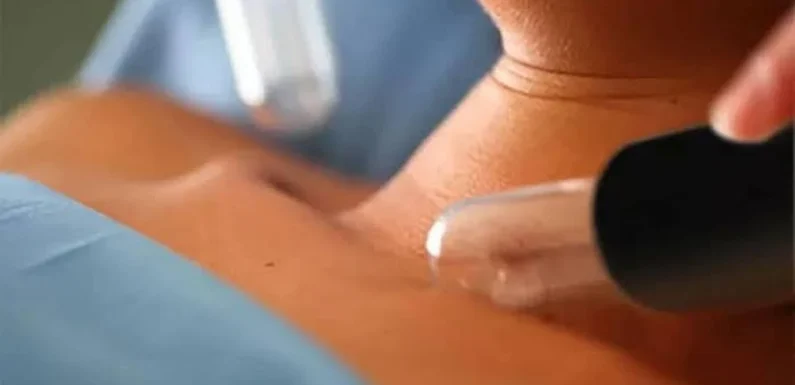
During a typical session, a practitioner uses specialised equipment designed to deliver a gentle electrical or electrostatic field to selected areas of the body. Some systems use handheld applicators or probes that are moved across the skin in a controlled manner.
The technique and equipment can vary considerably between providers, so there is not one universal procedure referred to as electro lymphatic therapy.
Some electrotherapy approaches used in lymphatic care involve low-intensity electrical fields or oscillatory effects. Research into related low-frequency electrotherapy has explored its potential role alongside lymphatic management approaches, particularly for swelling associated with lymphedema.
What You May Feel During the Session
Sensations during treatment can vary depending on the equipment and intensity being used. Some people may experience a mild tingling sensation, gentle warmth, or a subtle feeling as the applicator moves over the skin.
Certain low-frequency electrotherapy techniques have been described as producing gentle tissue sensations rather than painful stimulation.
The practitioner may adjust the equipment according to comfort and the treatment plan. If a sensation becomes uncomfortable, the individual should let the practitioner know so the settings or technique can be reviewed.
Areas Commonly Addressed
The areas addressed during a session depend on the person’s goals and the practitioner’s assessment. Treatment may involve different parts of the body rather than concentrating on one isolated area.
This is based on the general principle that lymphatic drainage involves pathways leading toward lymph vessels and lymph nodes. Conventional manual lymphatic drainage, for example, commonly uses gentle techniques around areas containing lymph nodes before addressing areas where fluid accumulation occurs.
The specific sequence used during an electro lymphatic therapy session should therefore be explained by the practitioner before treatment begins.
How Long Does a Session Take?
There is no universal session length because treatment protocols vary. Duration can depend on the equipment, the areas being addressed, the individual’s needs, and whether the session is part of a wider wellness programme.
A practitioner may also recommend a series of sessions rather than treating every concern during one appointment. The appropriate schedule should be based on the individual’s circumstances and the provider’s assessment.
Keeping expectations realistic is important. A person’s immediate experience does not necessarily indicate how the lymphatic system is functioning or whether a specific health condition has changed.
What Happens Afterward?
After the session, the practitioner may ask how the person feels and whether any unusual sensations occurred. Some individuals may feel relaxed, while others may notice little immediate difference.
General wellness measures such as adequate hydration, balanced nutrition, regular movement, and sufficient rest can complement a healthy lifestyle. For people managing diagnosed lymphatic conditions, however, professional medical guidance remains important.
Established lymphedema management may involve approaches such as compression, exercise, skin care, and specialised lymphatic therapy.
Understanding the Overall Experience
Electro lymphatic therapy sessions generally involve an initial health discussion, comfortable positioning, application of specialised equipment, monitoring of sensations, and post-session guidance. The exact experience depends on the technology and protocol used by the practitioner.
For individuals interested in lymphatic wellness, understanding the procedure beforehand can make the session feel more predictable. Asking questions, providing accurate health information, and choosing an appropriately trained professional are practical steps toward a responsible and informed experience.
When incorporated into a broader wellness or healthcare plan, electro lymphatic therapy can be considered as one component of an individual’s overall approach to wellbeing, while evidence-based medical care remains important for diagnosing and managing health conditions.
